
Ayurvedic Seasonal Cleansing
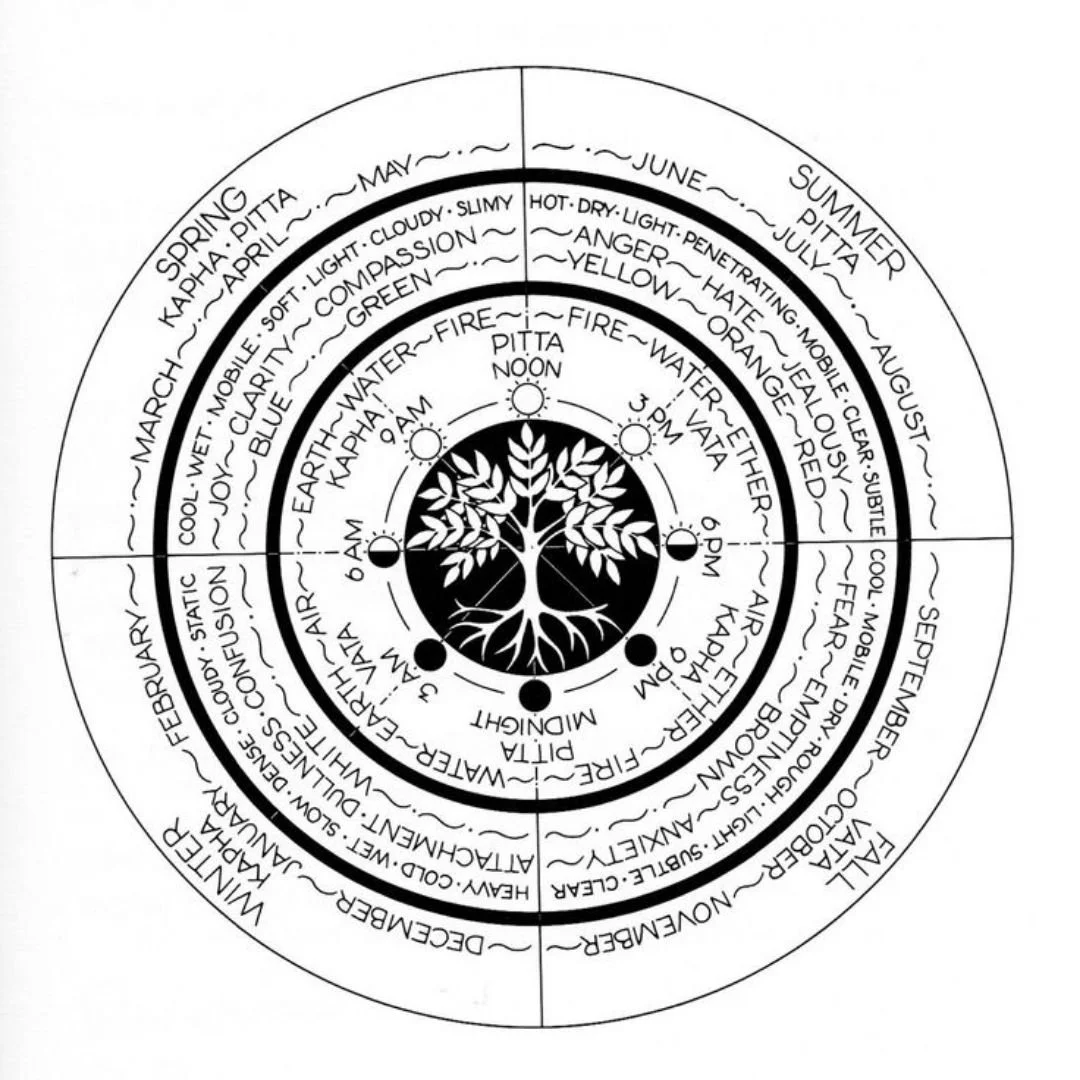
According to Ayurveda, each season has a predominant dosha; Vata, Pitta or Kapha. During the Summer months, Pitta dosha (Fire and Water elements) dominates with its hot and sharp qualities. In the Autumn, it’s Vata (Air and Space) that takes over with cold, clear, dry and light qualities that show up in our environment as colder weather and increased wind. As we near the end of the Winter season, Vata dosha is replaced by Kapha (Earth and Water) with its cool, wet, stable and heavy qualities.
Over the course of each season, the qualities of that dosha gradually accumulate within us depending on the strength of our digestive fire, Agni. Towards the end of the season, it’s likely that some of the seasonal dosha has weakened our digestion and we may be experiencing symptoms of doshic accumulation. There is also a component of Ama (toxins) which start to be generated as the disturbed Agni is less capable of digesting food, sensory impressions and experiences.
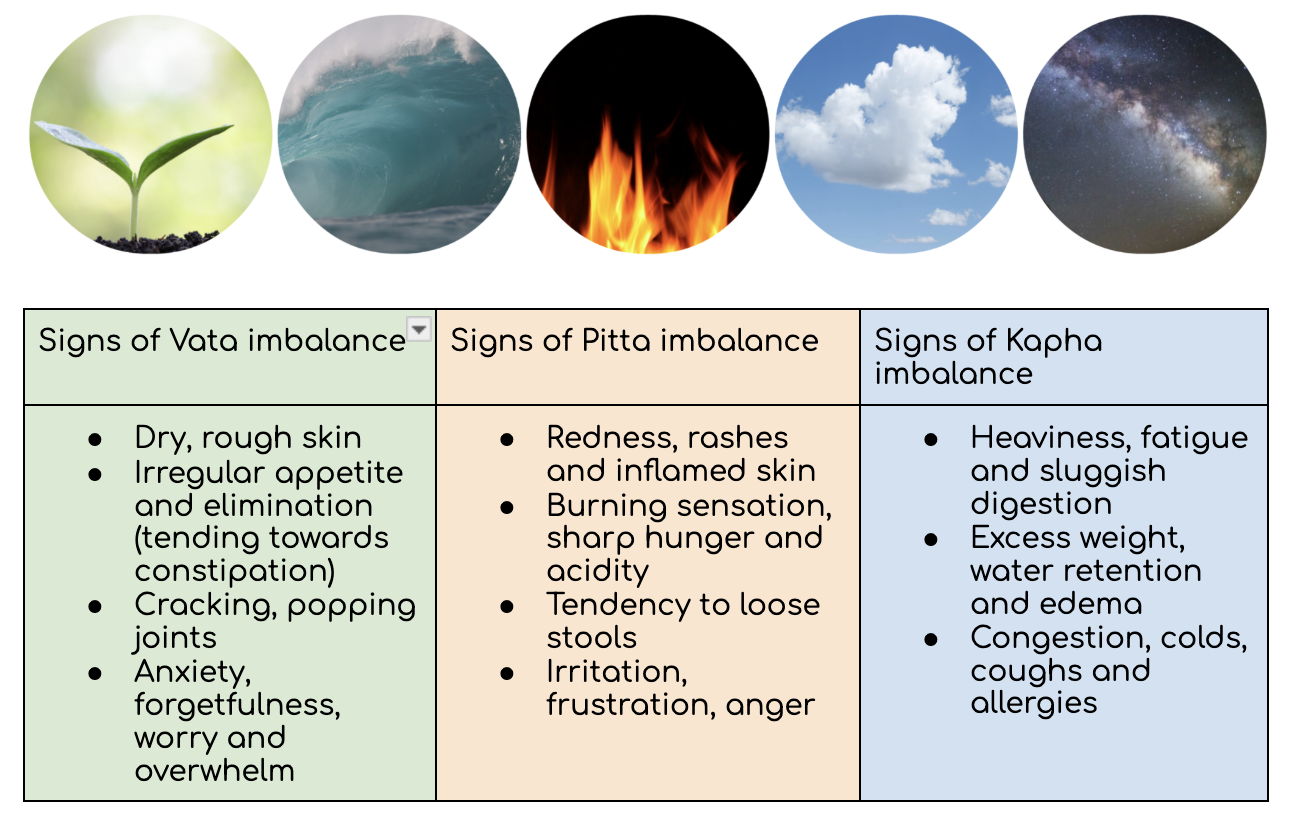
Additionally, we can also observe signs of Ama (toxicity) in the body and mind:
-A heavy, lethargic or fatigued feeling
-Disturbed sleep cycles
-Disturbed digestion
-More pronounced body odor
-Brain fog
-Perverted taste and craving unhealthy foods
So, it’s recommended to take advantage of the window between seasons, the “rtu sandhi”, to cleanse out the previous months’ accumulated dosha and Ama, and clear the space for beginning the next season with renewed vigor and vitality. Nature itself alongside cultural practices like Lent encourage us, at this Spring juncture, to eat more greens, fast and start to favor less heavy diets than in the past winter months. Ayurveda offers an even more intelligent technology to dislodge Ama and dosha from the deeper tissues and remove it entirely from our system.
How does an Ayurvedic cleanse work?
Usually an Ayurvedic cleanse begins by subtracting substances and habits that are not useful to expelling dosha and ama from the body mind system. This may involve reducing intake of heavy to digest foods such as cold foods, meat and dairy as well as removing stimulants like caffeine and alcohol from our diets over the course of a few days.
Then comes the first phase: “snehana”, meaning oleation. Through a combination of internal intake of medicated fats such as ghee and external application of oil through processes like “abhyanga” (self-oleation) the body becomes gradually saturated with oil. Just as a rusty engine will start to move after the application of oil, toxins and crystallized dosha starts to lift from the deeper tissues.
The next phase is “deepan/pachan” meaning kindling of Agni and burning of Ama. By keeping the meals very simple and easy to digest and avoiding overeating, Agni can now redirect all of its power to digest the toxins and dosha being released from the deeper tissues of the body.
The cleanse culminates in the expulsion of the toxins, wastes and ‘ripe’ dosha in the GI tract through various methods depending on the individual, such as through the use of herbal laxatives to induce a series of clearing and cleansing bowel movements.
Post-cleanse rejuvenation and results
Following the release, it’s important to gradually re-introduce more complex foods to the diet and keep the senses clear in the post-cleanse transition.
After undertaking an Ayurvedic cleanse, an individual can feel:
-Lighter, brighter and clearer in both body and mind
-Digestion is reset, with appropriate hunger and satiation cues
-Balanced elimination of wastes
-Balanced sleep schedule and circadian rhythms
-Natural energy and positivity
-Balanced, healthy cravings
Taking the opportunity to cleanse at seasonal junctures not only acts as a preventative for doshic accumulation leading to the creation of disease in the body but also can help to reduce the symptoms of many existing health concerns and conditions by kickstarting Agni and reducing the load of Ama on our system.
Cleansing should always be undertaken under the guidance of an experienced Ayurvedic practitioner and there are some groups for whom this practice is not suitable; children, elderly people, pregnant and postpartum women, and those suffering from malnutrition and debility.
Our online cleanse takes place between 23rd and 29th of March. Join our free info session on February 18th to learn more! Visit our dedicated event page for more details and zoom links.